Independence is a core pillar of IBSA’s teaching and learning approach. It develops progressively from early childhood within a structured, supportive and secure environment.
Teachers guide learning by encouraging students to think, reflect and make choices, while ensuring that no student is left unsupported.
We do not give the answer; we guide students towards the solution.
6 key skills developed at IBSA
Plan and organise tasks effectively, using the right tools to support learning.
Set priorities and meet deadlines independently, with a strong sense of responsibility.
Use research skills to find, evaluate and use information in a critical and ethical way.
Show initiative by suggesting ideas and solutions appropriate to one’s age and stage of development.
Express thoughts clearly and confidently, and present ideas with conviction.
Plan and carry out projects independently, with organisation, method and attention to detail.
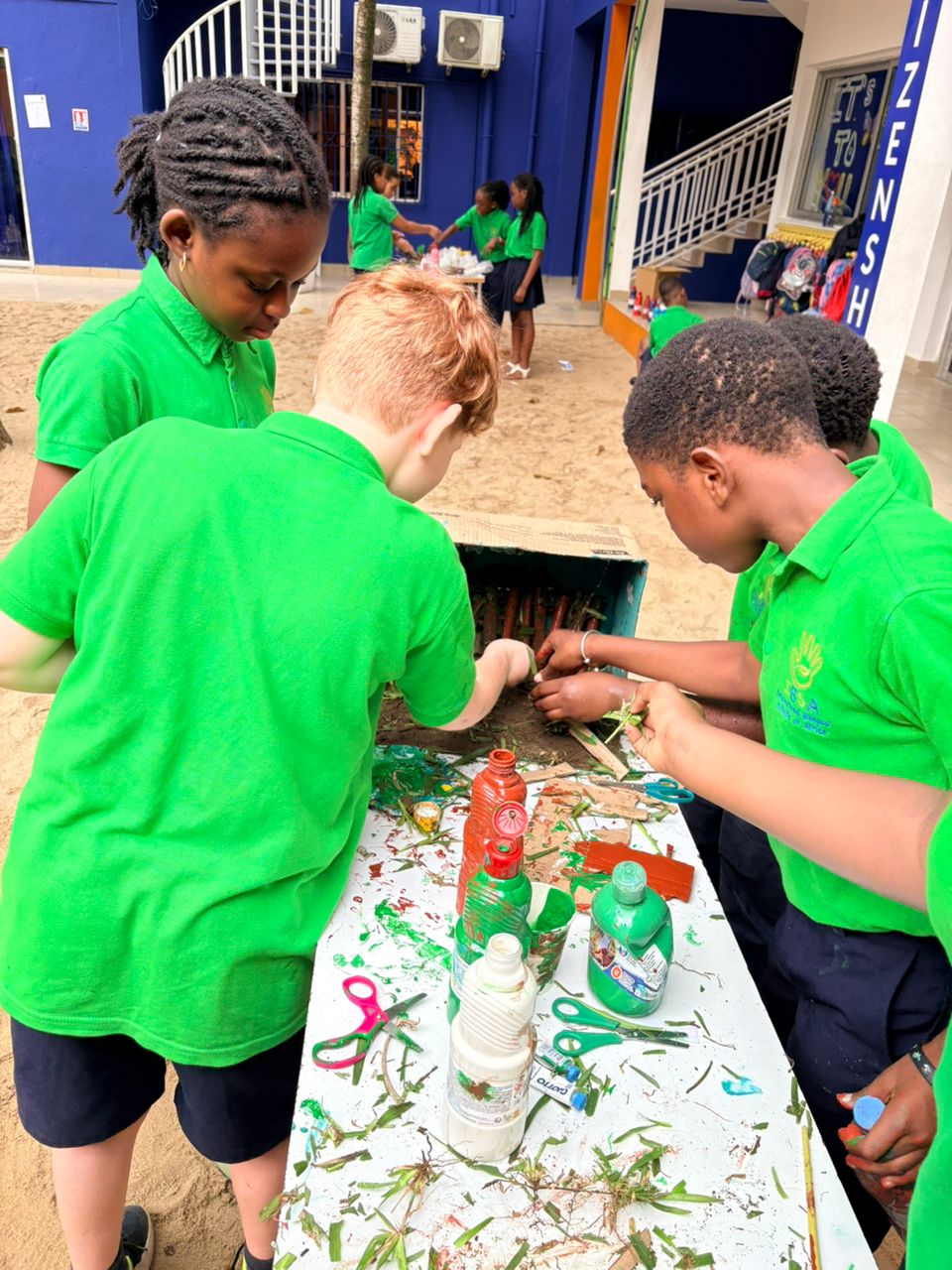
Where possible, IBSA favours multi-age and multi-level classes. This organisation encourages cooperation, peer learning and confidence.
Each student progresses at their own pace within a positive and inclusive learning environment.
Immersive experiences to foster independence
Educational trips are an essential part of developing independence at IBSA. They allow students to apply their skills in real and stimulating environments.
These immersive experiences build self-confidence, adaptability, personal responsibility, and cultural openness.

Immersion in new and enriching environments to broaden perspectives and deepen understanding of cultural diversity.
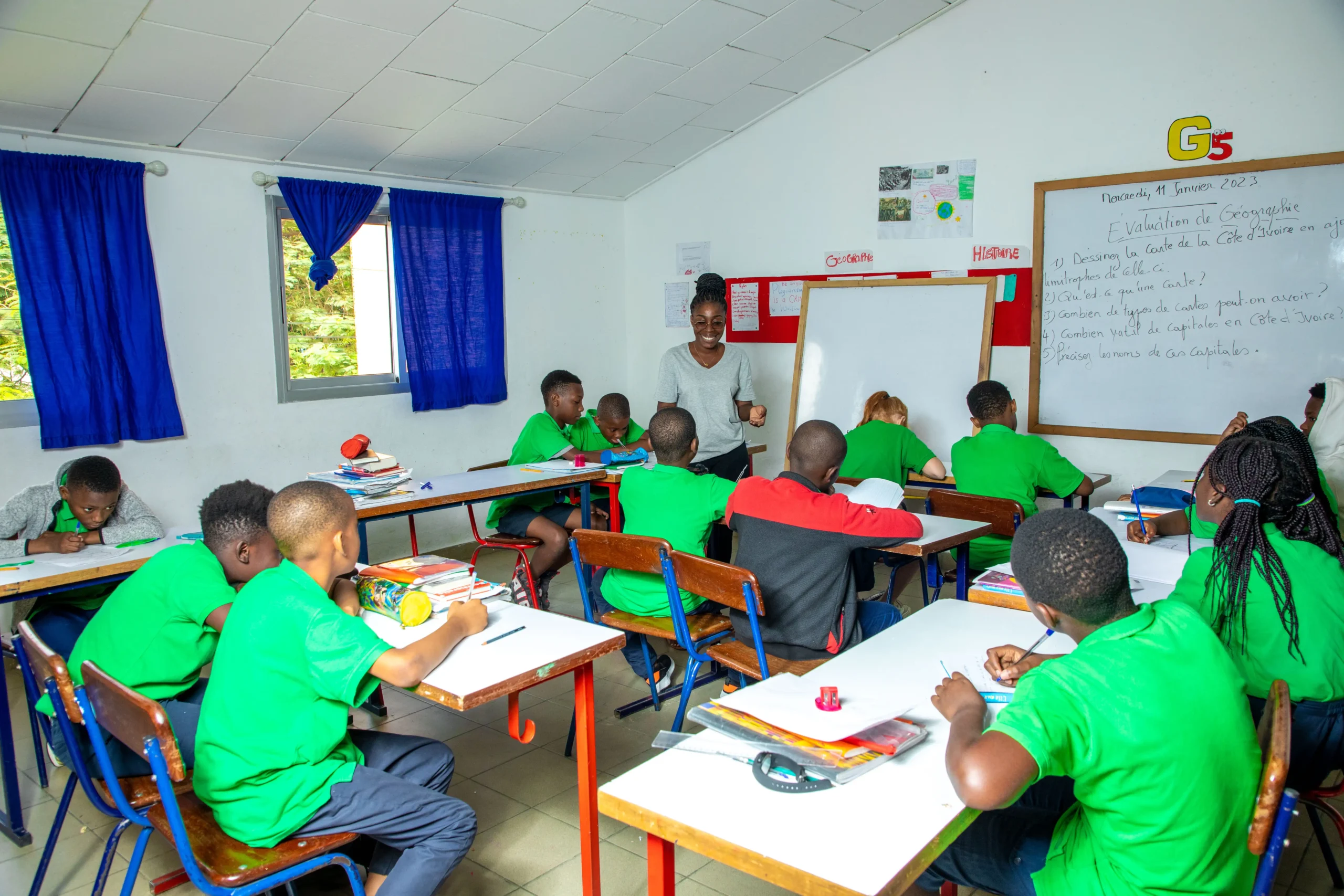
Managing travel, budgets, and organisation in real-life contexts to develop essential life skills.

Strengthening relationships and collaboration in real-life situations to develop team spirit and solidarity.

Applying theoretical knowledge in the field to reinforce understanding and grasp its practical relevance.
The independence developed at IBSA prepares students for the demands of higher education and professional life, where personal organisation, decision-making, and responsibility are essential.